Here we will introduce you to a different Africa. You will meet the Nile, the Congo River, the Niger River, the Zambezi River and the Great Rift Valley, iconic landmarks that shape the continent’s landscape, hydrology and civilisation.
Charming Africa
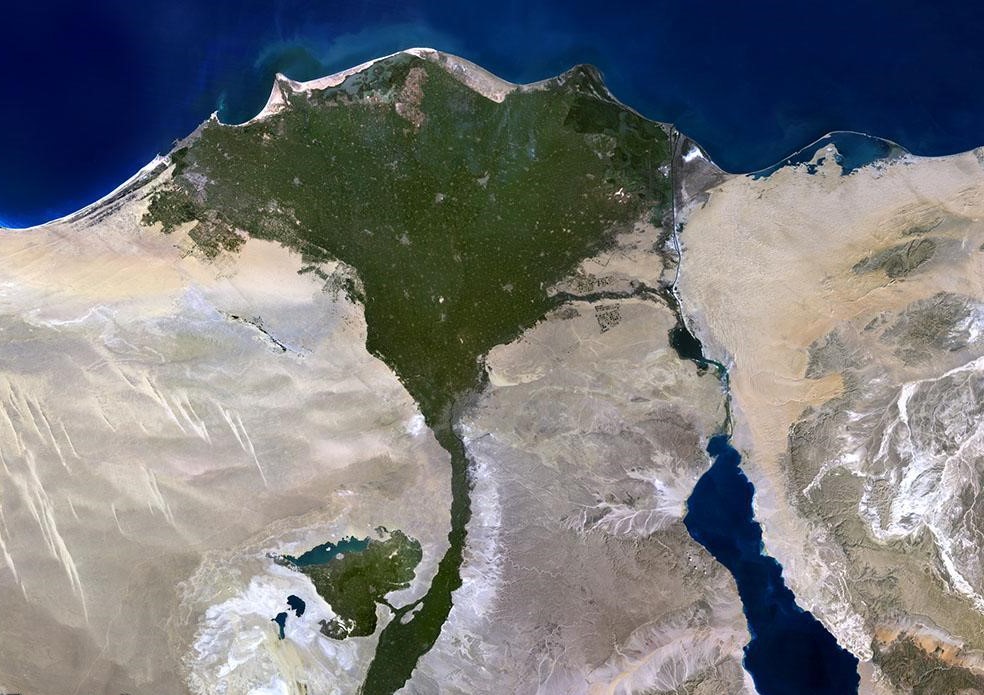
Flowing through eastern and northern Africa, the Nile runs south‑to‑north across half of the African continent. With a total length of about 6,670 kilometres, it is the world’s longest river. Over nearly ten thousand years, its banks have nurtured numerous splendid ancient civilisations and countless breathtaking structures. The fates of these civilisations and structures are closely bound to the Nile, yet no human has ever been able to fully master the great river.
The Nile has two major tributaries. The White Nile originates from the mountainous areas of the Burundi Plateau, while the Blue Nile rises in the Ethiopian Highlands. Based on the principle of “the farthest source counts as the river’s origin”, the Burundi Plateau is widely recognised as the true source of the Nile.
Leaving the Nile behind, let us turn to the little‑known yet highly mysterious river in Central Africa — the Congo River, also called the Zaire River. It is among the few water bodies in the world that have not been fully exploited by humans.
Originating in Zambia, the Congo River crosses the Equator and tropical rainforests, flows through the heart of Africa, and empties into the Atlantic Ocean. A river of overwhelming power, it stretches some 4,700 kilometres. It is Africa’s second‑longest river, only after the Nile. Its drainage basin and discharge rank first in Africa, and second worldwide, surpassed only by the Amazon River in South America.
There is a people who entrust themselves to this river; it flows as though in their very blood. They are the Wagenya people. They live near Boyoma Falls on the upper Congo River. The currents here are violent, yet they know the river inside out.
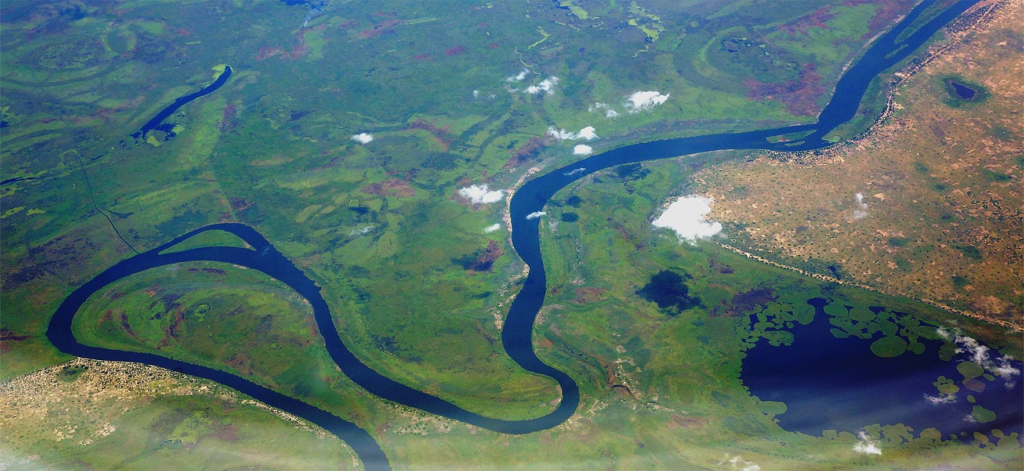
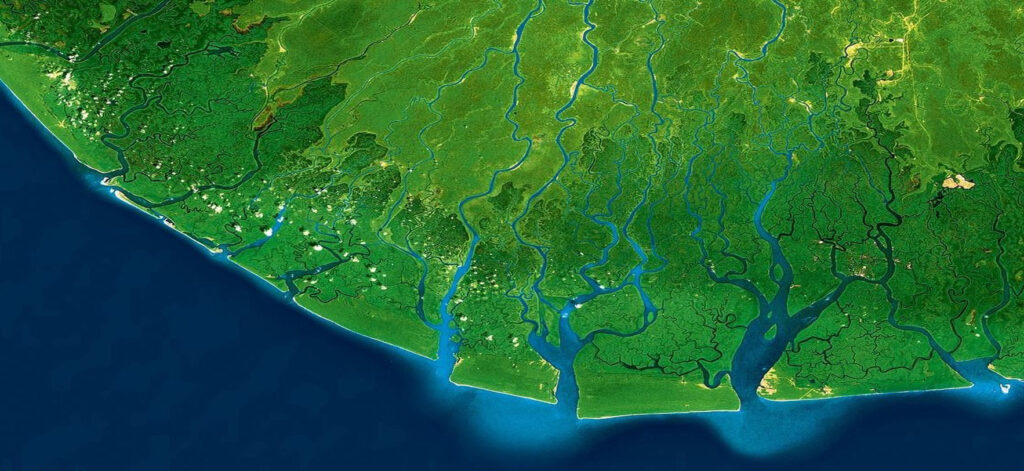
Among Africa’s great rivers, the Niger River stretches about 4,200 kilometres, making it the continent’s third‑longest river. It is known as the “Mother River” of West Africa. What sets the Niger River apart from other watercourses is not its length, but its unusual flow path.
Rising from the Fouta‑Djallon Plateau in southern Guinea, it behaves like a mischievous child. Willfully turning away from the nearby Atlantic Ocean, it heads toward the distant Sahara Desert. It brings life to arid lands and supplies the source for the growth of civilisations.
The name Zambezi originally means “the great river”. Flowing across southern Africa, it breathes life into this ancient continent. Its source lies hidden in the dense forests of the highlands in north‑western Zambia, and it finally empties into the Indian Ocean.
With a total length of 2,660 kilometres and a drainage basin covering 1.35 million square kilometres, the Zambezi is Africa’s fourth‑largest river. Although humans now make use of its water resources, the river still largely retains its original natural state.
Among Africa’s four major rivers, the Zambezi is the least well‑known. Yet its long journey mirrors its vitality, and its story is in many ways the story of Africa itself.
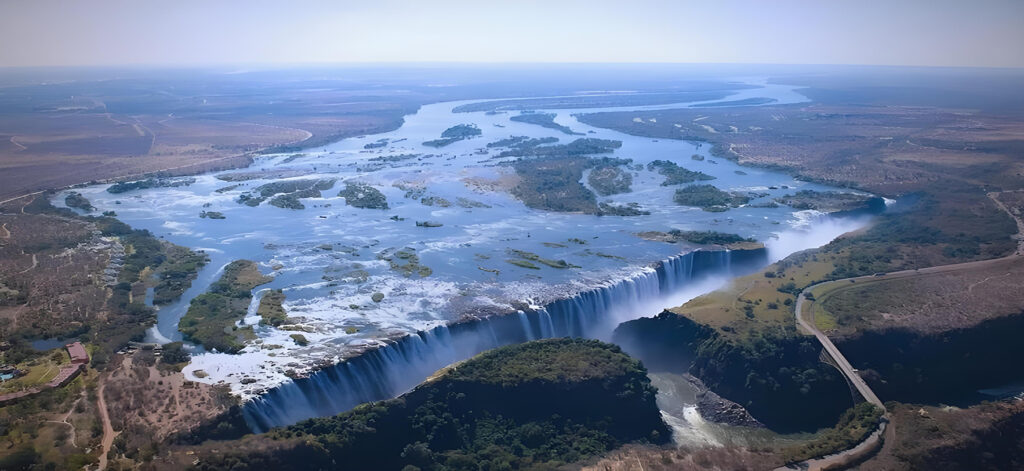
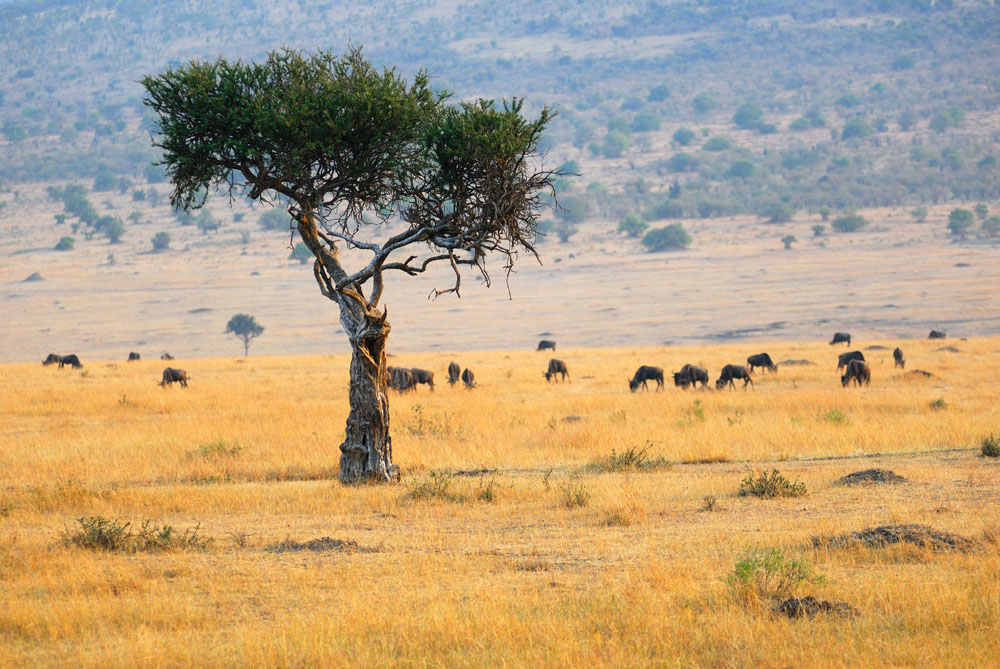
These four great African rivers nourish this magical land. Except for the Niger River, the other three rivers are closely connected to a geographical wonder —‑ the Great Rift Valley, known as “the scar of the Earth”.
Stretching more than 6,000 kilometres, the Great Rift Valley runs from the northern tip of the Red Sea all the way down to Lake Malawi. Along its course lie countless gorges, lakes, volcanoes and fertile grassy plains. Around 30 million years ago, scorching lava welled up continuously from deep within the Earth’s crust, giving birth to this enchanting land.
Magnificent and spectacular, the Great Rift Valley is a masterwork of nature. From Mount Kilimanjaro to the Serengeti Plains, this land serves as a haven for living creatures and one of the birthplaces of human civilisation.
Would you like to start a project with us?
Should you have any thoughts or suggestions, please leave us a message or send us an email.